General Contractor: Your Primary Professional for Home Work
A general contractor assumes a essential role in residential work. They manage assorted components of construction, ensuring that everything runs smoothly. Their expertise with construction codes and regulations allows them to navigate the intricacies of permits and inspections. This experienced professional serves as a key link between homeowners and subcontractors. However, many homeowners stay unclear about the total scope of their work. Knowing these facts can greatly impact the success of any renovation project endeavor.
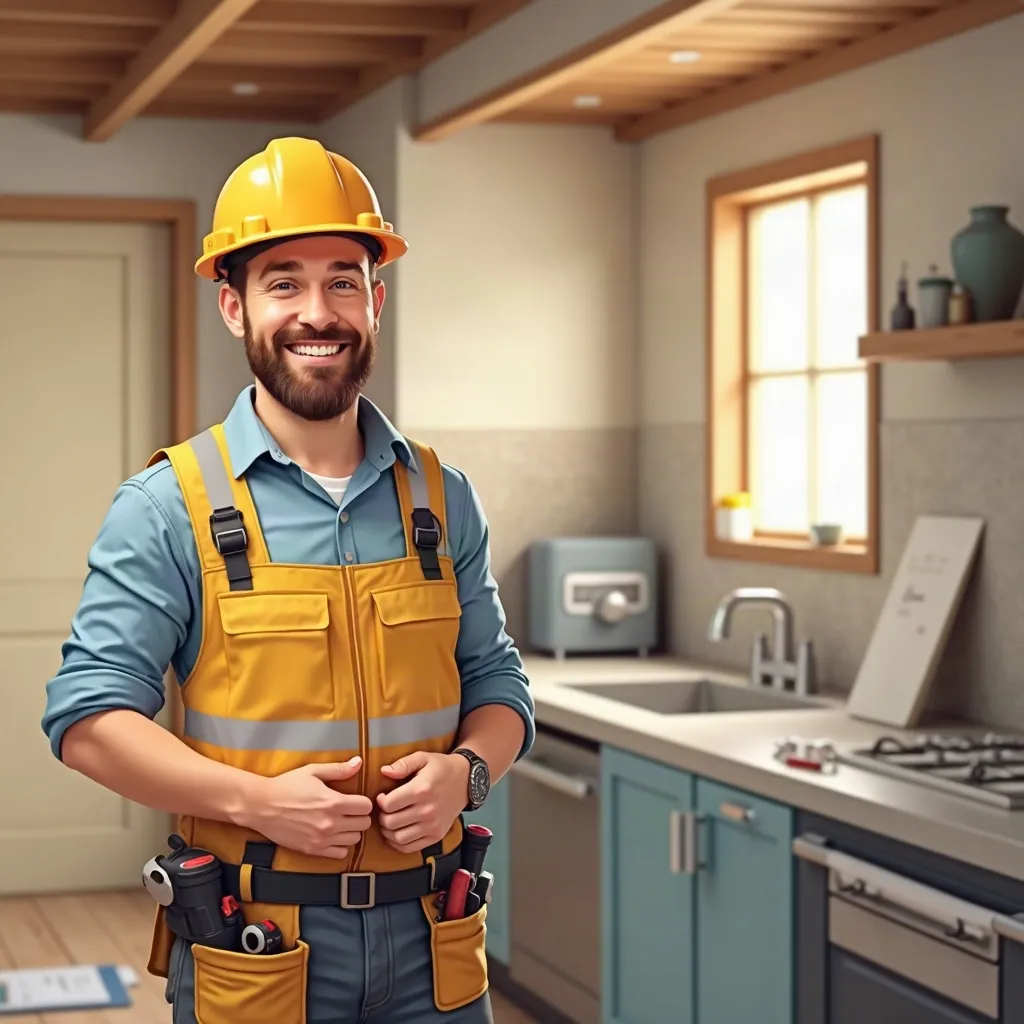
What Does a General Contractor Accomplish?
A general contractor directs the different components of a construction project, ensuring that everything runs smoothly from start to finish. They function as the main liaison, managing correspondence between customers, specialized contractors, and suppliers. This position involves developing the construction schedule, organizing labor, and maintaining compliance with local building codes and regulations.
General contractors are responsible for obtaining necessary permits and scheduling inspections, which are essential to maintaining safety and quality standards. They also handle budget planning, material procurement, and overseeing site operations to prevent any possible setbacks or complications. In addition, they supervise subcontractors, ensuring that each phase of construction conforms to project specifications and timelines. Overall, a general contractor's expertise and organizational skills are essential to completing a successful construction project, turning a client's vision into reality while balancing multiple tasks and responsibilities.
Benefits of Contracting a General Contractor for Home Renovations
Contracting a professional builder for residential upgrades provides countless advantages that can greatly boost the quality and efficiency of the work. General contractors bring expertise in project management, making sure that schedules are kept and funds are distributed efficiently. Their established connections with specialized contractors can generate better rates and excellent craftsmanship, which ultimately helps property owners regarding both time and money.
Moreover, general contractors oversee the intricate details of licensing and compliance, minimizing possible regulatory problems. They also provide a unified liaison, easing communication and coordination among different contractors. This streamlining reduces the likelihood of confusion and setbacks.
Additionally, their background allows them to identify potential challenges, permitting proactive similar resource solutions to keep the project on schedule. By bringing on a general contractor, homeowners can focus on their vision while enjoying peace of mind, assured that a professional is managing every aspect of the renovation.
Refuting False Notions About General Contractors
Although many property owners may have misunderstandings about general contractors, grasping the realities can lead to more wise decisions. A common myth is that hiring a general contractor is not essential for small projects; still, their expertise can streamline even minor renovations, ensuring compliance with local codes. Another typical belief is that contractors are just middlemen, but they often have extensive knowledge in various trades, allowing them to direct projects efficiently. Moreover, some homeowners assume that working with a contractor will greatly raise costs. In reality, a skilled contractor can often obtain better pricing for materials and labor through established relationships with suppliers and subcontractors. Lastly, many think that general contractors are unbending, but reliable contractors focus on client communication and work closely to satisfy particular needs. Clearing up myths can empower clients to harness the true value of contractors when completing successful home projects.
Selecting the Right General Contractor?
How can homeowners guarantee they choose the right construction professional for their projects? The process begins with comprehensive investigation. Property owners should seek suggestions from friends, family, or online reviews to find qualified contractors. Once a compilation is created, verifying credentials, such as licensing, insurance, and bonding, is crucial to verify legitimacy.
Next, homeowners should request and review samples of previous work, emphasizing projects similar in scope. Setting up interviews allows property owners to determine suitability, discussing deadlines, finances, and goals. It's also advisable to gather multiple bids for comparison, providing a clear understanding of costs.
Verifying references offers understanding of a contractor's reliability and professionalism. Ultimately, relying on your gut feeling is essential; an first consultation can reveal much about a contractor's interaction pattern and strategy. By implementing these procedures, homeowners can substantially improve their odds of choosing a general contractor who aligns with their requirements and aspirations.
Proven Conversation Techniques With Your General Contractor
Which strategies can homeowners apply to secure effective dialogue with their general contractor? Establishing transparent discussion from the outset is necessary. Homeowners should explicitly state their requirements, project objectives, and spending restrictions during first meetings. Consistent information can be promoted through planned discussions, guaranteeing that both parties remain aligned throughout the project.
Applying written documentation, such as emails or project logs, reinforces spoken commitments and decreases misunderstandings. Homeowners should likewise encourage open communication by welcoming input and feedback from the contractor, fostering a cooperative setting.
Additionally, leveraging technology, like project management apps, can enhance communication by delivering a centralized hub for posting updates, timelines, and changes. Finally, displaying respect and friendliness can boost rapport, facilitating it more convenient for the contractor to express challenges or suggestions productively. By using these strategies, homeowners can build a collaborative and candid working arrangement with their general contractor.
What You Should Know When Your Undertaking Commences?
As the project launches, homeowners can anticipate a flurry of activity on-site. The general contractor will coordinate groups of experienced professionals, including electricians, plumbers, and carpenters, who will start their work following the predetermined schedule. Homeowners may notice heavy machinery and materials being delivered, generating a lively atmosphere.
Communication stays vital during this phase. The contractor will provide updates on advancement and handle any issues that occur. Homeowners should get ready for possible disruptions, such as sound and restricted entry to specific areas of the home.
Safety measures will be in place to protect both workers and residents, maintaining a secure context. Additionally, homeowners may be encouraged to maintain flexibility, as unpredictable obstacles can arise, necessitating adjustments to the original plan. Overall, this initial phase initiates the foundation for the successful completion of the project, and active engagement is essential.
Critical Questions for Your Main Contractor Deal?
Deciding which inquiries to pose when completing a general contractor agreement is vital for ensuring a efficient project. Homeowners should ask about the contractor's permit and policy to confirm their qualifications and protection against legal exposure. Understanding the project timeline and phases is significant; therefore, asking about expected completion dates helps set expectations.
It is also necessary to communicate payment terms, like down payments and payment schedules, to ward off misunderstandings. Home purchasers should secure a detailed breakdown of outlays, highlighting materials and skilled work, to assure transparency. Concurrently, deliberating on the system for handling alterations or surprise difficulties can eliminate conflicts subsequently.
Lastly, homeowners should inquire into the qualifications of subcontractors, as well as the communication approach of the contractor throughout the project. By tackling these inquiries, homeowners can establish a strong working relationship with their general contractor, ultimately resulting in a successful residential project.
Regularly Asked FAQs
What Methods Do General Contractors Use to Invoice for Their Services?
General contractors typically charge through set prices, per-hour charges, or a portion of the overall project expense. Their pricing may also include supplies, labor, and overhead, based on the project's complexity and scope.
Can a General Contractor Support With Documentation and Inspections?
Yes, a general contractor can help with obtaining permits and managing inspections. They generally handle local codes and ensure adherence, streamlining the process for homeowners while facilitating necessary approvals throughout the construction project.
What Qualifications Should I Evaluate in a General Contractor?
When selecting a building contractor, one should examine professional standing such as licensing, insurance, track record with matching projects, quality references, and effective communication skills, ensuring they exhibit the necessary expertise to direct the project in a successful manner.
What Timeframe Should You Expect for a Standard Home Remodeling Venture?
A typical home renovation project can take anywhere from a few weeks to several months, determined by the range, complexity, and size of the project, as well as the availability of materials and labor.
What Takes Place if My Initiative Exceeds Budget?
If a project exceeds the budget, the builder typically discusses the reasons and options with the property owner. Changes may include scaling back, obtaining more funds, or revising the project scope to align with financial limits.